
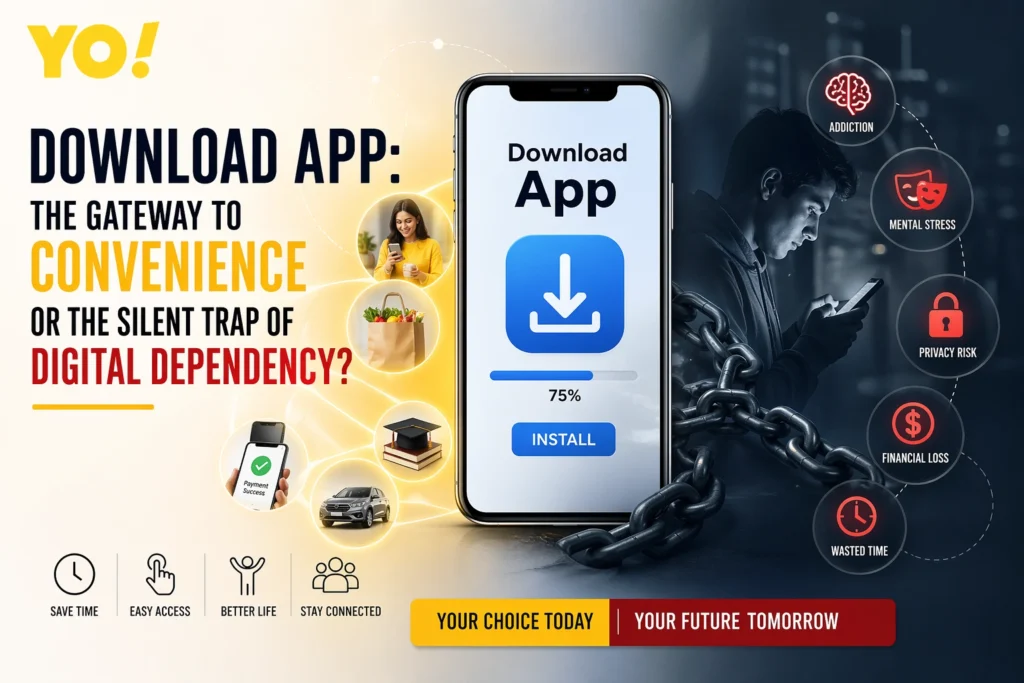
Introduction: The Real Meaning Behind “Download App” in the Digital Age
The phrase “Download App” has become one of the most commonly used actions in today’s digital world. It appears simple—just a tap on a screen—but in reality, it represents a massive transformation in how people live, think, and interact with technology. From morning alarms to late-night entertainment, apps have embedded themselves into nearly every moment of daily life.
In earlier times, completing everyday tasks required physical effort and time. People visited banks, stood in queues, traveled to stores, and relied heavily on face-to-face interactions. Today, the moment a need arises, the instinctive response is to search and download an app that solves it instantly. Whether it’s ordering food, booking a cab, learning a new skill, or managing finances, the solution is often just one download away.
This shift has not happened overnight. The rapid advancement of smartphones, high-speed internet, and user-friendly app ecosystems has fueled this behavioral change. App stores are now filled with millions of options designed to cater to every possible need. As a result, users are constantly encouraged to download apps that promise faster results, better experiences, and smarter solutions.
However, the simplicity of the “Download App” action often hides its deeper implications. Every download is not just about adding a tool—it is about inviting a new digital presence into one’s personal space. Apps request permissions, collect data, track behavior, and influence decisions in ways many users do not fully realize. What begins as a harmless download can gradually shape habits, preferences, and even emotional responses.
At the same time, it would be unfair to ignore the immense value apps provide. They have made life more efficient, connected, and accessible. Students can learn from anywhere, businesses can operate globally, and individuals can manage complex tasks with ease. The ability to download an app has democratized access to services that were once limited to specific groups or locations.
Yet, this convenience comes with a cost. The growing dependency on apps raises important questions: Are we becoming too reliant on digital solutions? Are we sacrificing privacy for comfort? Are apps truly simplifying life, or are they quietly complicating it in unseen ways?
The modern user stands at a crossroads. On one side lies the undeniable power of apps to improve productivity and quality of life. On the other side are concerns about overuse, data security, and digital addiction. Understanding this balance is essential in a world where downloading an app has become almost automatic.
This article explores the true impact of the “Download App” culture—uncovering both its strengths and its hidden challenges. By looking beyond the surface, we can better understand how this simple action shapes our present and influences our future.
The Evolution of the “Download App” Mindset
The idea of “Download App” has evolved far beyond a simple technological action—it has become a mindset. What once required careful decision-making is now almost automatic. Users no longer ask whether they need an app; instead, they assume that for every problem, there must be an app-based solution waiting to be downloaded.
In the early days of mobile technology, downloading an app was often a deliberate choice. Limited storage, slower internet speeds, and fewer options meant users selected apps carefully. Each download had value and purpose. Fast forward to today, and the landscape has completely changed. With unlimited access to app stores and high-speed connectivity, downloading apps has become effortless and, in many cases, impulsive.
This shift reflects a deeper behavioral transformation. People are now conditioned to seek instant solutions. When faced with a task—be it fitness tracking, budgeting, or even meditation—the first instinct is not to learn or adapt manually, but to search and download an app that promises quick results. This dependency has subtly altered how individuals approach problem-solving.
Another important aspect of this evolution is the role of marketing and digital influence. App developers invest heavily in creating attractive interfaces, persuasive descriptions, and targeted advertisements. Notifications like “Install Now,” “Get Started,” or “Download App for Better Experience” are strategically designed to trigger action. Over time, users become more responsive to these cues, often downloading apps without fully considering their necessity or impact.
Social influence also plays a significant role. Recommendations from friends, trends on social media, and influencer promotions all contribute to the growing number of app downloads. When people see others benefiting from a particular app, they feel encouraged—or even pressured—to download it themselves. This creates a cycle where popularity drives more downloads, regardless of actual usefulness.
Moreover, the rise of all-in-one or “super apps” has further reinforced this mindset. Users are now accustomed to having multiple services within a single platform, reducing the need to switch between apps. However, this convenience also deepens dependency, as users become tied to specific ecosystems that manage various aspects of their lives.
Despite its advantages, this evolving mindset raises important concerns. The ease of downloading apps can lead to digital clutter, reduced attention spans, and a lack of critical thinking when choosing tools. Instead of evaluating what truly adds value, users may accumulate apps that go unused or serve minimal purpose.
At its core, the evolution of the “Download App” mindset highlights a shift from intentional usage to habitual behavior. While technology continues to advance, it becomes increasingly important for users to remain aware of their choices. Downloading an app should not be an automatic reaction but a thoughtful decision aligned with real needs.
Understanding this transformation is the first step toward regaining control in a world where convenience often overrides consciousness.
The Positive Impact of the “Download App” Revolution
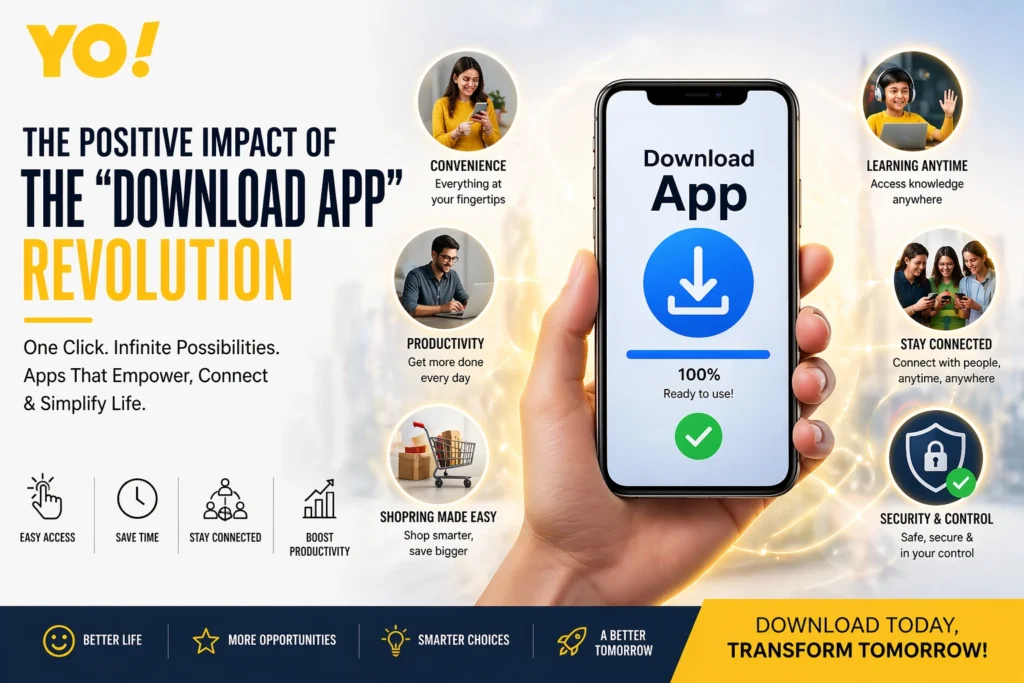
The widespread habit to “Download App” has undeniably transformed modern life in powerful and positive ways. While concerns exist, it is important to recognize that apps have created opportunities, simplified daily routines, and empowered individuals across the globe. In many ways, this digital revolution has made life faster, smarter, and more accessible than ever before.
One of the most significant benefits is convenience. Tasks that once required time, travel, and effort can now be completed within seconds. From ordering food to paying bills, apps eliminate the need for physical presence. This has been especially valuable in busy lifestyles where time is limited and efficiency is essential. The ability to download an app and instantly access services has redefined expectations of speed and ease.
Another major advantage is increased productivity. Apps designed for organization, planning, and time management help users stay on track with their goals. Whether it’s managing work schedules, setting reminders, or tracking progress, these tools enable individuals to work smarter rather than harder. For students and professionals alike, the right apps can significantly improve performance and reduce stress.
The Download App culture has also opened doors to education and skill development. Learning is no longer confined to classrooms. With educational apps, users can access courses, tutorials, and training programs anytime, anywhere. This has made knowledge more inclusive and accessible, allowing people from different backgrounds to learn new skills and improve their lives.
In addition, apps have revolutionized communication. Staying connected with family, friends, and colleagues has become effortless. Video calls, instant messaging, and social platforms have bridged geographical gaps, making the world feel smaller and more connected. This has been particularly important for remote work and global collaboration.
Another powerful impact is seen in financial accessibility. Banking and payment apps have simplified money management for millions of people. Users can transfer funds, pay bills, track expenses, and even invest—all from their smartphones. For many individuals who previously had limited access to financial services, downloading an app has provided new opportunities for economic participation and growth.
Apps have also contributed to personalization and user experience. Modern apps are designed to adapt to individual preferences, offering tailored recommendations and customized features. This creates a more engaging and satisfying experience, making digital interactions more meaningful and efficient.
Furthermore, the rise of apps has encouraged innovation and entrepreneurship. Developers and businesses can reach global audiences through app platforms, creating new markets and job opportunities. Small ideas can grow into successful ventures simply through a well-designed app.
Ultimately, the positive impact of the “Download App” revolution lies in its ability to empower users. It puts tools, knowledge, and services directly into the hands of individuals, giving them greater control over their lives. When used wisely, apps are not just digital tools—they are enablers of growth, connection, and progress.
However, as powerful as these benefits are, they represent only one side of the story. To fully understand the impact of this culture, it is equally important to examine the challenges and risks that come with it.
The Dark Side of “Download App”: Hidden Risks Behind the Screen
While the decision to “Download App” often feels harmless and beneficial, there is a growing list of hidden risks that users tend to overlook. The same tools that promise convenience and efficiency can also introduce challenges that affect privacy, mental health, finances, and overall well-being. Understanding these downsides is essential in order to use technology responsibly.
One of the most pressing concerns is digital addiction. Many apps are intentionally designed to keep users engaged for as long as possible. Features like endless scrolling, push notifications, rewards, and streak systems create a cycle of constant interaction. Over time, this can lead to excessive screen time, reduced focus, and a dependency on digital stimulation. What begins as a simple action to download an app can slowly turn into a habit that is difficult to control.
Another major issue is privacy invasion. When users download apps, they are often required to grant permissions without fully understanding what they are agreeing to. Access to contacts, location, camera, and personal data is frequently requested. In many cases, apps collect and store this information for purposes beyond basic functionality, such as targeted advertising or data analysis. This raises serious concerns about how personal information is used, shared, or even exploited.
The Download App culture also contributes to financial risks. While many apps are free to install, they often include hidden costs in the form of subscriptions, in-app purchases, or premium features. Users may unknowingly spend money on small transactions that add up over time. Gaming apps, in particular, are known for encouraging repeated spending through rewards and upgrades, making it easy to lose track of expenses.
In addition, there is the problem of device overload and performance issues. Constantly downloading new apps can consume storage space, slow down devices, and drain battery life. Many users install apps with the intention of using them regularly, only to abandon them after a short period. This results in cluttered devices filled with unused applications that continue to run in the background.
Another critical concern is the impact on mental health. Certain apps, especially social media platforms, can create unrealistic expectations and constant comparison. Users may feel pressure to present a perfect image or keep up with others, leading to stress, anxiety, and reduced self-esteem. The more time spent on such apps, the greater the potential for negative emotional effects.
There is also a subtle but important issue of reduced real-world interaction. As people rely more on apps for communication, entertainment, and daily tasks, face-to-face interactions may decrease. This can weaken social skills and reduce meaningful human connections over time.
Finally, the ease of downloading apps has led to a decline in critical decision-making. Users often install apps impulsively without evaluating their necessity, security, or long-term impact. This habit not only increases digital clutter but also exposes users to potential risks such as malware or low-quality applications.
In essence, the act to “Download App” is no longer just about gaining functionality—it comes with responsibilities and consequences. While apps can enhance life in many ways, ignoring their potential downsides can lead to serious challenges.
Recognizing these risks is not about avoiding technology, but about using it with awareness and control. Only then can users truly benefit from what apps have to offer without falling into their hidden traps.
Smart and Responsible “Download App” Usage: Turning Convenience into Control
In a world where the instinct to Download App has become almost automatic, the real challenge is not stopping this behavior but managing it wisely. High usage of the Download App approach does not have to lead to negative consequences—if handled with awareness, it can remain a powerful tool rather than a hidden trap. The key lies in transforming impulsive habits into intentional actions.
The first step toward responsible usage is mindful decision-making before you Download App. Instead of instantly clicking install, users should pause and evaluate the purpose. Asking simple questions like “Why should I Download App?” or “Will this Download App improve my daily routine?” can prevent unnecessary downloads. This small shift in thinking can significantly reduce digital clutter and improve overall efficiency.
Another essential practice is limiting unnecessary Download App behavior. Many users repeatedly Download App options that serve the same purpose—multiple shopping apps, similar editing tools, or duplicate productivity platforms. This not only wastes storage but also creates confusion. Choosing one reliable app instead of repeatedly deciding to Download App alternatives ensures better focus and usability.
Managing permissions after you Download App is equally important. Every time you Download App, you are granting access to certain personal data. Reviewing permissions carefully—such as location, contacts, or camera—helps protect privacy. A responsible user does not blindly accept all permissions just to complete a Download App process quickly.
Equally crucial is tracking usage after you Download App. Installing an app is only the beginning; understanding how often and why you use it determines its real value. If an app remains unused after you Download App, it becomes unnecessary digital weight. Regularly reviewing and removing such apps keeps devices optimized and improves performance.
The concept of quality over quantity in Download App habits cannot be ignored. Instead of frequently choosing to Download App options out of curiosity or trend influence, users should focus on trusted, high-quality applications. A well-chosen app can deliver better results than multiple poorly selected ones.
Another powerful strategy is setting boundaries around Download App behavior. Users can create personal rules, such as limiting the number of apps they Download App each month or avoiding impulsive downloads influenced by advertisements. This builds discipline and reduces dependency on constant digital consumption.
Security awareness is also critical in the Download App process. Users should only Download App options from trusted platforms and verify reviews, ratings, and developer credibility. This reduces the risk of malware, scams, or low-quality applications that may harm the device or compromise data.
Moreover, users must understand that every time they Download App, they are shaping their digital environment. The apps installed on a device influence habits, routines, and even thinking patterns. Being selective ensures that this influence remains positive rather than overwhelming.
Ultimately, the goal is not to avoid the Download App culture but to control it. When users approach the decision to Download App with clarity, purpose, and awareness, they unlock the true potential of technology without falling into its common pitfalls.
A smart user does not simply follow the trend to Download App—they lead their own digital experience by choosing what truly adds value.
The Future of “Download App”: Innovation, Control, or Complete Dependency?
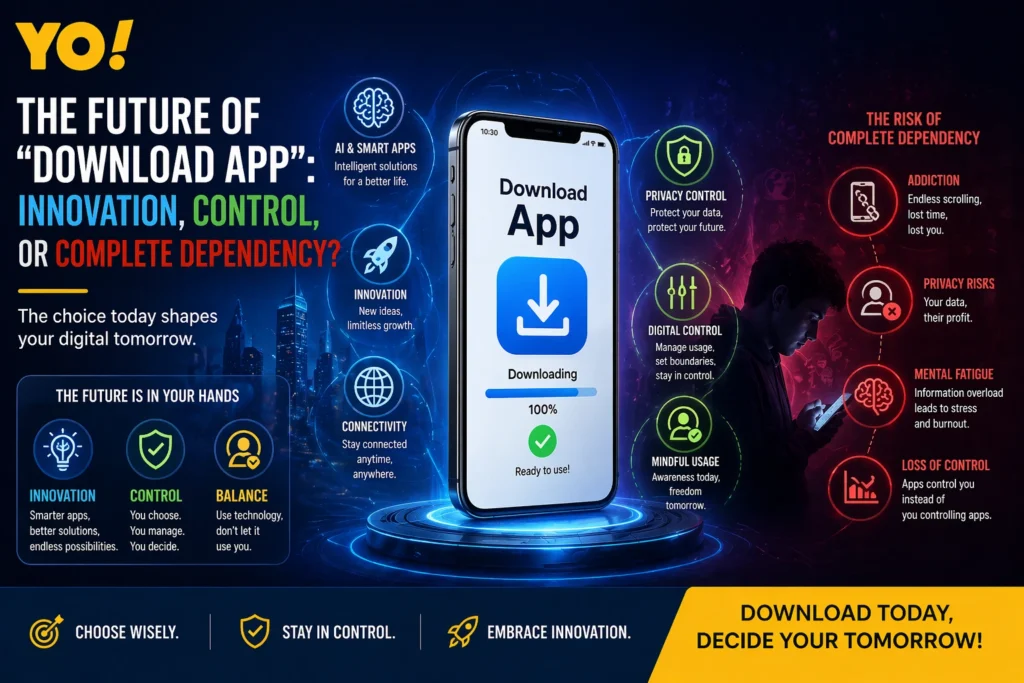
As technology continues to evolve, the concept of Download App is moving toward a future that is both exciting and uncertain. What we see today is only the beginning. The way people Download App, use apps, and depend on them is expected to change dramatically in the coming years. The question is no longer just about whether users will continue to Download App—it is about how deeply this behavior will shape human life.
One major shift in the future of Download App is the rise of AI-powered applications. When users Download App in the future, they won’t just install tools—they will adopt intelligent systems that learn behavior, predict needs, and automate decisions. This means the act to Download App could become less frequent but far more impactful, as a single app may handle multiple tasks intelligently.
Another emerging trend is the development of super apps. Instead of repeatedly choosing to Download App for different purposes, users may rely on one platform that combines messaging, payments, shopping, entertainment, and more. This reduces the need to constantly Download App options, but it also increases dependency on a single ecosystem. If one app controls everything, the power it holds becomes significant.
The Download App experience itself is also expected to become more seamless. With advancements in cloud technology and instant apps, users may not always need to fully Download App versions. Instead, they can access features instantly without installation. While this improves convenience, it also raises new concerns about data access and control.
Security will play a critical role in shaping how users Download App in the future. As awareness grows, people will demand stronger privacy protections. Developers will need to ensure that when users Download App, their data is secure, transparent, and ethically managed. This could lead to stricter regulations and improved trust in digital platforms.
At the same time, the psychological impact of the Download App culture may intensify. If apps become more intelligent and engaging, users may find it even harder to disconnect. The line between helpful technology and digital dependency could become thinner. The more advanced the apps, the stronger their influence on human behavior.
Another important aspect is digital minimalism. As users become aware of the downsides, there may be a shift toward more intentional Download App habits. People might prefer fewer apps with higher value rather than constantly choosing to Download App new options. This could redefine how success is measured in the app industry—not by downloads, but by meaningful usage.
Businesses will also continue to compete for attention in the Download App ecosystem. This means more innovation, better user experiences, and smarter marketing strategies. However, it also means users will face even more choices, making it essential to stay mindful and selective.
Ultimately, the future of Download App is not just about technology—it is about control. Will users remain in charge of their digital lives, or will they become increasingly dependent on the apps they Download App? The answer depends on how individuals adapt, think, and make decisions in this rapidly changing environment.
The power of Download App will continue to grow, but so will the responsibility that comes with it. The future will reward those who use technology wisely, not those who use it endlessly.
Conclusion: “Download App” — A Simple Action with Powerful Consequences
The phrase Download App may appear small and routine, but its impact is anything but minor. Throughout this discussion, it has become clear that every decision to Download App carries both opportunity and risk. What feels like a quick and effortless action is, in reality, a powerful choice that shapes digital habits, personal behavior, and even long-term lifestyle patterns.
On one hand, the ability to Download App has revolutionized modern living. It has made life faster, more efficient, and more connected. From productivity to communication, education to entertainment, the decision to Download App has unlocked possibilities that were once unimaginable. It has empowered individuals, supported businesses, and created a world where solutions are always within reach.
On the other hand, the growing dependence on the Download App culture cannot be ignored. Repeatedly choosing to Download App without awareness can lead to digital overload, privacy risks, financial loss, and mental fatigue. What begins as convenience can slowly turn into dependency, where users rely on apps for even the simplest tasks. This shift raises an important concern: are we controlling technology, or is technology controlling us?
The key takeaway is not to stop using apps or avoid the decision to Download App, but to approach it with intention. A mindful approach ensures that every time you Download App, it serves a purpose rather than becoming a distraction. Awareness transforms the experience—from passive consumption to active control.
In today’s fast-paced digital environment, users must learn to pause before they Download App. A simple moment of reflection can prevent unnecessary downloads and promote smarter choices. Choosing quality over quantity, managing permissions, and regularly reviewing app usage are small steps that create a big difference.
The future of Download App will continue to evolve with advanced technologies, smarter systems, and deeper integration into daily life. But no matter how advanced apps become, the responsibility will always remain with the user. The power lies not in how many apps you Download App, but in how wisely you use them.
In the end, Download App is more than just a button—it is a decision. A decision that can either simplify life or complicate it. A decision that can empower you or overwhelm you. The difference lies in awareness, discipline, and control.
So the next time you see the option to Download App, don’t just tap—think.
Frequently Asked Questions (FAQs) About “Download App”
1. What does “Download App” actually mean?
The term Download App refers to the process of installing a mobile or desktop application from an online platform such as an app store or website. When you Download App, you are adding a software tool to your device that allows you to perform specific tasks like communication, shopping, learning, or entertainment.
2. Is it safe to Download App from any source?
No, it is not always safe to Downloading App from unknown sources. Users should always choose trusted platforms like official app stores or verified websites. Downloading apps from unreliable sources can expose your device to malware, data theft, or security risks.
3. How can I decide whether I should Download App or not?
Before you Download App, ask yourself:
- Do I really need this app?
- Will it solve a specific problem?
- Is it trustworthy and well-reviewed?
Making a thoughtful decision before you Download App helps avoid unnecessary clutter and potential risks.
4. Can downloading too many apps affect my device?
Yes, excessive Download App behavior can:
- Slow down your device
- Consume storage space
- Drain battery life
It is important to regularly review and remove apps you no longer use after you Download App.
5. Are free apps completely free after you Download App?
Not always. Many apps appear free when you Download App, but they may include:
- In-app purchases
- Subscription plans
- Premium upgrades
Users should always check pricing details before they Download App to avoid unexpected costs.
6. How does Download App impact privacy?
When you Download App, you often grant permissions such as access to location, contacts, or media. Some apps collect and use this data for analytics or advertising. It is important to review permissions carefully before and after you Download App.
7. What is the best way to manage apps after you Download App?
After you Download App:
- Monitor how often you use it
- Update it regularly
- Remove unused apps
- Limit unnecessary permissions
This ensures your device remains efficient and secure.
8. Where can I find useful apps and resources online?
You can explore helpful platforms like yobookclub for discovering apps, tools, and digital resources. It’s a great place to explore before you decide to Download App for your needs.
9. Are there platforms for gaming apps and predictions?
Yes, some platforms like dream11global provide insights and information related to fantasy sports and gaming. However, users should always research carefully before they Download App or engage with such platforms.
10. What is the future of the Download App trend?
The future of Download App includes:
- AI-driven apps
- Super apps with multiple features
- Better privacy controls
- Instant app access without full downloads
The way people Download App will continue to evolve, making it even more important to stay informed and mindful.
 Get WhatsApp ID Now