
Introduction: The Expanding Universe of Popular Games
The world of Popular Games has grown far beyond simple entertainment into a powerful digital ecosystem that influences millions of players every day. What once started as a casual way to pass time has now become a global phenomenon, shaping how people interact, compete, and even think. From mobile screens to high-end gaming setups, popular games dominate attention spans and redefine modern leisure.
In today’s online gaming world, popular games are not just about playing—they are about experiencing. Players step into virtual environments where they can connect with others, build identities, and participate in constantly evolving worlds. These games are designed to keep users engaged, offering rewards, challenges, and social interactions that feel both exciting and meaningful.
However, the rise of popular games also brings important questions. While they provide entertainment and connection, they can also demand time, attention, and sometimes money in ways that are not always obvious. The same features that make popular games engaging can also make them difficult to step away from.
This dual nature makes popular games one of the most influential forces in the digital age. They are fun, immersive, and innovative—but they also require awareness and balance. Understanding this world is essential, because popular games are no longer just something we play—they are something that shapes how we live.
The Evolution of Popular Games: From Pixels to Powerful Worlds
The journey of Popular Games is a story of constant innovation and transformation. In the early days, games were simple, limited by technology, and focused mainly on basic mechanics. Players engaged with pixelated graphics and repetitive gameplay, yet even then, the foundation of fun and competition was firmly established.
As technology advanced, so did the scope of popular games. Consoles became more powerful, computers more capable, and the internet opened doors to multiplayer experiences. This shift marked a turning point—games were no longer isolated activities but shared experiences. Players could now compete or collaborate with others across the globe in real time.
The rise of smartphones further accelerated the growth of popular games. Suddenly, gaming was accessible to almost everyone. Casual players entered the scene, expanding the audience beyond traditional gamers. Popular games became part of daily routines, played during short breaks, commutes, or leisure time.
Another major milestone in the evolution of popular games is the introduction of live-service models. Unlike older games that remained unchanged after release, modern popular games continuously evolve. Developers release updates, introduce new features, and create seasonal events to keep players engaged. This ongoing development transforms games into dynamic environments rather than static products.
Graphics and storytelling have also reached new heights. Today’s popular games offer cinematic visuals, detailed characters, and immersive narratives. Players are not just controlling characters—they are experiencing stories, making decisions, and influencing outcomes.
However, this evolution is not just about technology. It also reflects changing player expectations. Modern gamers seek interaction, personalization, and constant engagement. Popular games have adapted by offering customization options, social features, and competitive elements that keep players invested.
In essence, the evolution of popular games is a reflection of both technological progress and human desire for connection, challenge, and creativity. What began as simple entertainment has transformed into complex digital worlds that continue to expand with no clear endpoint.
Why Popular Games Attract Millions of Players
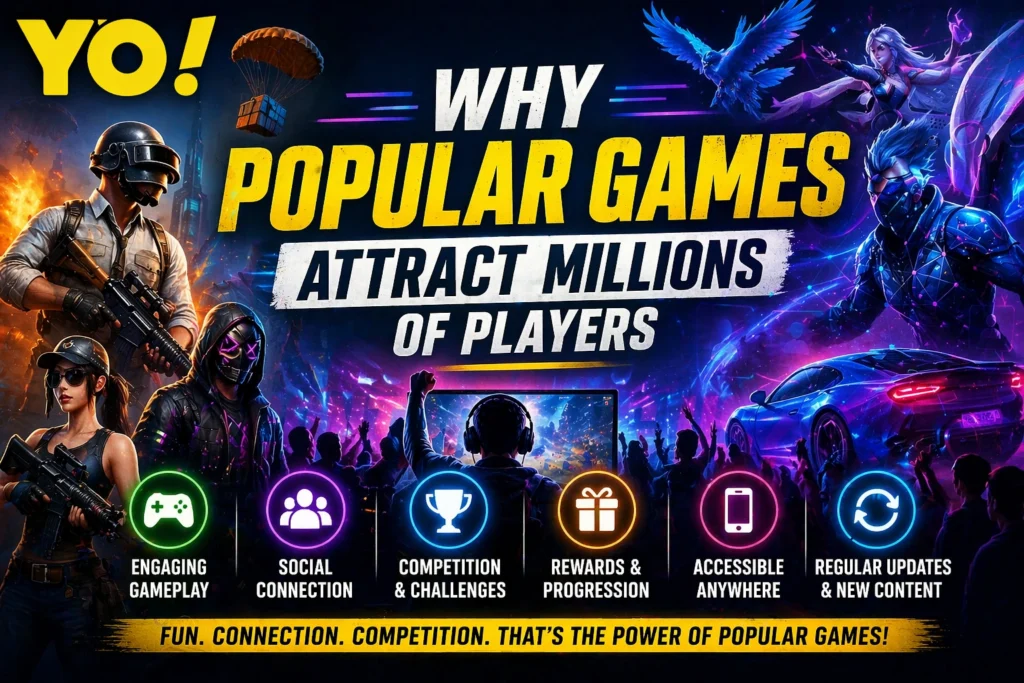
The massive success of Popular Games is not accidental—it is the result of carefully designed experiences that appeal to human behavior, emotions, and desires. These games are built to engage players on multiple levels, making them difficult to ignore and even harder to leave.
One of the biggest reasons popular games attract millions is instant accessibility. Players can jump into a game within seconds, whether on a mobile device, console, or computer. There are no complicated barriers, which makes gaming easy for both beginners and experienced players. This low entry point allows popular games to reach a wide and diverse audience.
Another powerful factor is continuous reward systems. Popular games are designed to give players a sense of progress. Whether it’s unlocking a new level, earning rewards, or achieving higher rankings, these small wins create a feeling of accomplishment. This keeps players motivated to continue playing and improving.
Social interaction is also a major driver behind the popularity of these games. Many popular games allow players to connect with friends or meet new people. Multiplayer modes, team-based missions, and in-game chats create a sense of belonging. For many, gaming becomes a social activity rather than a solitary one.
The element of competition adds another layer of attraction. Popular games often include leaderboards, rankings, and challenges that push players to perform better. Winning brings satisfaction, while losing encourages players to try again, creating a cycle of engagement.
Customization is another key reason why popular games stand out. Players can personalize their characters, environments, or gameplay styles. This sense of ownership makes the experience more personal and meaningful, strengthening the connection between the player and the game.
Additionally, popular games constantly evolve. Regular updates, new content, and limited-time events keep the experience fresh. Players always have something new to explore, which prevents boredom and encourages long-term engagement.
However, these same features that attract millions can also make popular games highly immersive and, at times, difficult to step away from. The combination of rewards, social interaction, and competition creates a powerful loop that keeps players coming back.
In the end, popular games succeed because they understand what players want—fun, challenge, connection, and a sense of achievement—and deliver it in a way that feels both exciting and rewarding.
The Social and Cultural Impact of Popular Games
The influence of Popular Games extends far beyond screens. Over time, they have become a meaningful part of modern culture, shaping how people communicate, build communities, and spend their free time. What was once considered a niche hobby is now a shared global experience.
One of the most noticeable changes is how people connect. Gaming is no longer limited to playing alone. Friends gather online, teams are formed, and conversations happen in real time. For many, these digital spaces feel just as real as physical ones. Relationships are built through cooperation, competition, and shared goals.
This shift has also changed how entertainment is consumed. Watching others play has become just as popular as playing itself. Live streams, short clips, and online discussions have created a culture where games are constantly talked about, analyzed, and shared. This has turned gaming into a social event rather than a private activity.
Another important aspect is the sense of identity. Players often express themselves through characters, choices, and play styles. These virtual representations allow people to explore different sides of their personality in a safe environment. In some cases, this can boost confidence and creativity.
At the same time, there are challenges. Spending too much time in digital environments can reduce face-to-face interaction. Some players may begin to prefer online spaces over real-world connections. This doesn’t happen to everyone, but it highlights the need for balance.
Popular games have also influenced language and trends. Terms, gestures, and styles from games often appear in everyday conversations and social media. This shows how deeply they are woven into daily life.
Overall, the cultural impact is complex. These games bring people together, create opportunities for expression, and shape modern communication. Yet, they also require awareness to ensure that virtual connections do not completely replace real-world experiences.
The Business and Monetization Behind Popular Games
Behind the excitement of Popular Games lies a highly strategic and rapidly growing industry. What players experience as fun and entertainment is often supported by complex business models designed to generate continuous revenue. Gaming today is not just a creative field—it is a major economic force.
Many popular games follow a free-to-play model, which allows users to start playing without any initial cost. This approach attracts a large audience quickly. However, once inside the game, players are introduced to various spending options. These may include cosmetic items, upgrades, or special features that enhance the overall experience.
One of the most common systems is in-game purchases. Players can buy skins, characters, or other digital items that personalize gameplay. While these purchases are optional, they are often designed to feel appealing or even necessary over time. Limited-time offers and exclusive content can create a sense of urgency, encouraging quicker decisions.
Another widely used model is the battle pass system. This offers a structured set of rewards that players can unlock by completing tasks or playing regularly. While a free version is usually available, premium versions provide additional benefits, making them attractive to dedicated players.
Advertising also plays a role, especially in mobile gaming. Some popular games include ads that players can watch in exchange for rewards or progress. This creates a balance between time investment and monetary spending.
From a business perspective, these strategies are highly effective. They allow developers to earn continuously rather than relying on a one-time purchase. At the same time, they help maintain long-term player engagement.
However, monetization in popular games raises important concerns. Some players may spend more than intended, especially when purchases are small but frequent. The design of these systems can sometimes blur the line between choice and influence.
This doesn’t mean the system is entirely negative. When used responsibly, it supports game development, updates, and innovation. Players benefit from ongoing improvements and new content without paying upfront costs.
Ultimately, the business side of popular games is about balance. It reflects the intersection of entertainment and economics, where enjoyment and spending coexist. Understanding this aspect helps players make more informed decisions while navigating the gaming world.
The Dark Side of Popular Games: Addiction, Pressure, and Control
While Popular Games offer excitement and connection, they also come with a side that is often overlooked. The same features that make these games engaging can sometimes create unhealthy patterns, especially when boundaries are not maintained.
One of the biggest concerns is overuse. It’s easy to lose track of time while playing, especially when games are designed with continuous goals and rewards. What starts as a short session can quickly turn into hours of gameplay. Over time, this can affect daily routines, sleep cycles, and overall productivity.
Another issue is the feeling of constant pressure. Many games include daily tasks, timed events, and competitive rankings. Players may feel the need to log in regularly to avoid missing out. This creates a sense of obligation rather than enjoyment, turning a leisure activity into something that feels like a responsibility.
There is also the challenge of emotional impact. Winning can feel rewarding, but repeated losses or negative interactions with other players can lead to frustration and stress. Competitive environments, especially, can sometimes become intense or toxic.
Spending is another area of concern. Small purchases may seem harmless at first, but they can add up over time. Some players may feel encouraged to spend money to stay competitive or unlock desired features. This can lead to regret if not managed carefully.
Additionally, excessive gaming can reduce engagement with real-world activities. Physical movement, face-to-face communication, and other hobbies may take a back seat. This imbalance can affect both mental and physical well-being.
It’s important to understand that these risks do not affect everyone in the same way. Many players enjoy games responsibly without negative consequences. The issue arises when limits are unclear or ignored.
Awareness is key. Recognizing these patterns helps players stay in control of their habits rather than being controlled by them. Popular games are meant to entertain, not overwhelm.
By understanding the darker side, players can make better choices and maintain a healthier relationship with gaming.
The Future of Popular Games: Innovation or Deeper Influence?
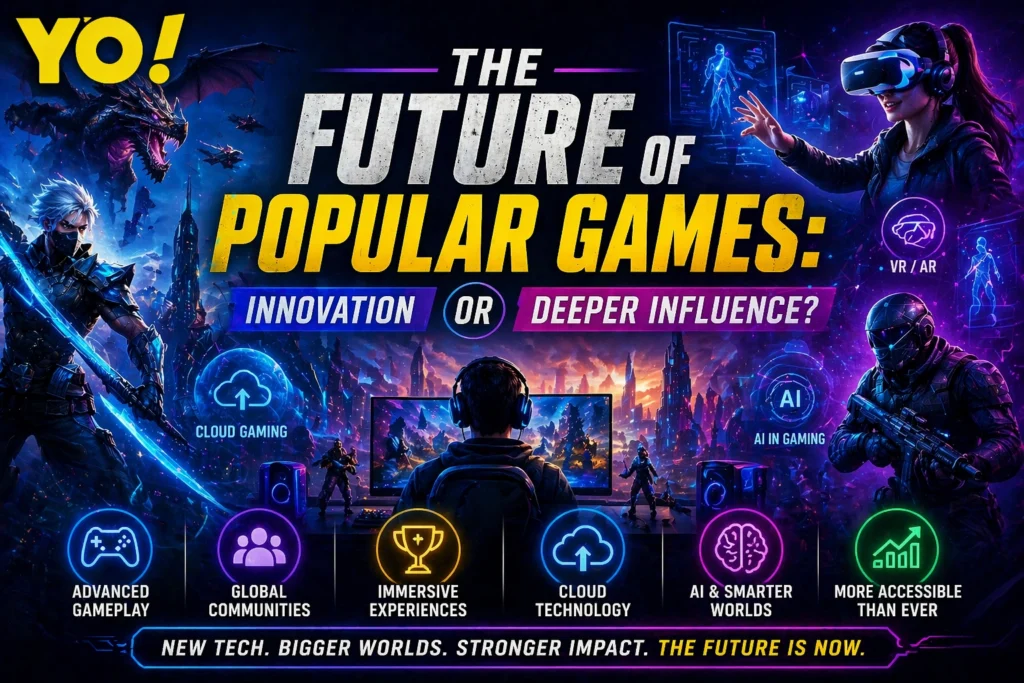
The future of Popular Games is shaping up to be more advanced, immersive, and influential than ever before. As technology continues to evolve, games are no longer just improving—they are transforming into experiences that blend reality with the digital world in ways that were once unimaginable.
One of the biggest shifts is toward immersion. With developments in virtual reality (VR) and augmented reality (AR), players are beginning to step inside games rather than simply control them. These technologies aim to create environments that feel real, making the experience more engaging and interactive.
Another major trend is cloud gaming, which removes the need for high-end hardware. Players can access high-quality games on almost any device with an internet connection. This will make popular games even more accessible, bringing in a larger and more diverse audience.
Artificial intelligence is also playing a growing role. Future games may adapt to individual player behavior, offering personalized challenges, storylines, and experiences. This could make games feel more responsive and tailored, but it also raises questions about how much influence these systems may have over player choices.
The concept of persistent online worlds is expanding as well. Games are becoming long-term platforms where players live out ongoing experiences rather than completing a fixed storyline. These evolving environments keep players engaged over extended periods, blurring the line between gaming and everyday life.
At the same time, the business side will likely become even more sophisticated. Monetization strategies may grow more subtle and integrated into gameplay. This could enhance convenience but also increase the risk of unnoticed spending or deeper engagement loops.
There is also the possibility of stronger integration between gaming and other industries, such as education, social media, and even work environments. Popular games may become spaces not just for fun, but for learning, collaboration, and virtual interaction on a larger scale.
However, with all these advancements comes a critical question: will these innovations empower players, or will they deepen the level of influence games have over behavior and attention?
The future holds incredible potential, but it also demands awareness. As popular games become more powerful, the responsibility to use them wisely becomes even more important.
Conclusion: Popular Games as Power, Play, and Responsibility
The world of Popular Games is vast, dynamic, and constantly evolving. What began as a simple form of entertainment has grown into a powerful digital force that influences how people connect, compete, and spend their time. From immersive experiences to global communities, popular games have redefined modern leisure in ways few could have predicted.
Throughout this journey, one thing becomes clear—popular games are neither entirely positive nor entirely negative. They offer enjoyment, creativity, and social connection, but they also introduce challenges like overuse, pressure, and spending habits. The impact depends largely on how they are approached and used.
For players, the key lies in awareness. Understanding how these games are designed and how they influence behavior allows for better control. When played with balance, popular games can be a source of relaxation, skill-building, and meaningful interaction. Without that balance, they can slowly take more than they give.
Developers and platforms also carry responsibility. As the creators of these digital environments, their choices shape user experiences. Ethical design, transparency, and user well-being should remain central as the industry continues to grow.
Looking ahead, popular games will only become more advanced and integrated into daily life. This makes it even more important to maintain a clear boundary between the virtual and the real.
In the end, popular games are tools—powerful ones. They can entertain, connect, and inspire, but they must be used with intention. The real control should always remain with the player.
Because ultimately, the goal is simple:
to enjoy the game without losing control of the life beyond it.
Frequently Asked Questions (FAQs) About Popular Games
1. What are Popular Games?
Popular Games are video or online games that attract a large number of players worldwide due to their engaging gameplay, social features, and regular updates. These games often trend across platforms and maintain active communities.
2. Why are Popular Games so addictive?
Popular games are designed with reward systems, challenges, and social interaction that keep players engaged. Features like levels, achievements, and competition trigger motivation, making players want to continue playing.
3. Are Popular Games good or bad for players?
They can be both. Popular games offer entertainment, skill development, and social connection. However, excessive gaming can lead to issues like time imbalance, stress, or unnecessary spending if not managed properly.
4. Can I earn money from Popular Games?
Yes, some popular games offer opportunities through esports, streaming, and content creation. Platforms like dream11global also provide gaming-related earning opportunities, depending on skills and participation.
5. How can I play Popular Games responsibly?
To maintain a healthy balance:
- Set time limits
- Avoid overspending
- Take regular breaks
- Focus on real-life priorities
- Play for enjoyment, not pressure
6. Where can I explore more gaming content and insights?
You can visit yobookclub for more articles, updates, and insights related to popular games and the online gaming world.
7. Do Popular Games require high-end devices?
Not always. Many popular games are designed to run on mobile devices and average systems. With cloud gaming growing, access is becoming even easier without expensive hardware.
8. What is the future of Popular Games?
The future includes more immersive experiences with technologies like VR, AI, and cloud gaming. Popular games will likely become more interactive, accessible, and integrated into daily life.
 Get WhatsApp ID Now